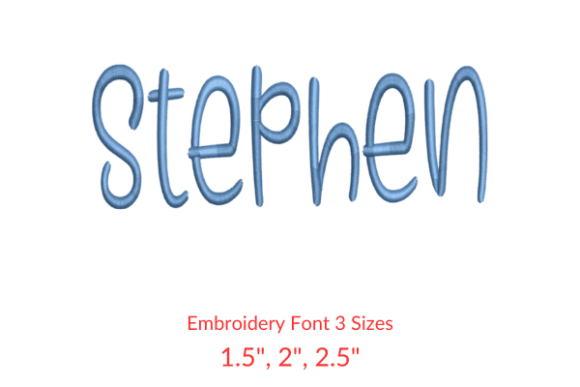
Stephen Font Review: A Versatile Embroidery Design for Boutique Apparel
As an experienced embroidery designer, I'm always on the lookout for machine embroidery designs that bring a unique personality to custom apparel without compromising quality or usability. Stephen Font caught my attention as a high-quality embroidery font ideal for personalization. Let’s dive into how it might fit into your next boutique sweatshirt or hoodie collection.
First Impressions: Visual Personality and Stitching Mood
Upon opening the digital embroidery file for Stephen Font, I immediately noticed its clean and structured appearance. The design has a strong typographic presence with subtle decorative elements—just enough to elevate it from basic lettering to something more refined. It feels premium and classic, yet approachable enough for casual wear. This makes it especially appealing for small shop products and handmade items where visual consistency and brand identity matter.
The stitching mood is balanced between elegance and simplicity. It doesn’t lean too heavily into ornate flourishes, which means it can work across a variety of styles—from minimalist to trendy. As someone who creates seasonal collections, I found it versatile enough to complement both cozy autumn hoodies and fresh springtime sweatshirts.
Performance on Sweatshirts and Hoodies
Sweatshirt embroidery projects benefit greatly from fonts that are easy to read but still have character. Stephen Font checks both boxes. When applied to neutral-toned sweatshirts, the letters stand out beautifully with minimal thread colors, making it perfect for understated branding or customer personalization.
- Chest placement: The font works well in smaller sizes for names or short phrases like "Back To School" on hoodie fronts. Its consistent stroke width helps maintain clarity even at reduced scales.
- Sleeve accents: For sleeve embroidery, the design's compact form and moderate stitch density make it suitable for adding quotes or initials without overwhelming the garment.
- Back designs: In larger formats, Stephen Font becomes a bold statement piece. I tested it on pastel hoodies and was impressed by how it maintained its shape and integrity when scaled up.
Dark Garments and Color Contrast
When working with dark garments, such as navy or black hoodies, the contrast offered by Stephen Font is excellent. With the right choice of thread colors, it adds dimension and visibility while keeping the overall look sophisticated. I recommend using white or metallic threads to maximize pop and ensure legibility.
Other Apparel and Merchandise Applications
Beyond sweatshirts and hoodies, Stephen Font adapts well to various substrates and fabric textures. Here are some standout uses I considered:
- T-shirt embroidery: Its crisp lines suit cotton blends and light-colored tees. The design maintains clarity even on stretchy materials when properly stabilized.
- Denim jackets: The font’s sturdy structure holds up nicely on thicker fabrics, making it a great option for personalized denim pieces.
- Tote bag design: Placing this font on a tote bag enhances its appeal for boutique brands looking to add a professional touch to their lifestyle products.
- Cozy seasonal outfits: Whether you're designing for winter fleece jackets or summer linen hoodies, the font offers a timeless feel that suits all seasons.
Lifestyle Product Photos and Marketing
For Etsy sellers and creative entrepreneurs, the way your finished product looks in photos is crucial. Stephen Font contributes to a polished aesthetic that translates well into lifestyle product photos. Its uniformity and readability make it ideal for printable mockups and social media graphics, helping your boutique merchandise stand out in a crowded market.
Where to Use Stephen Font Carefully
While Stephen Font is adaptable, there are certain scenarios where extra care is needed:
- Small chest placement: Due to its slightly decorative nature, scaling down may reduce legibility. Always test on scrap fabric before finalizing.
- Dense stitch areas: If you plan to use multiple rows or combine it with other designs, be mindful of stitch density to avoid puckering.
- Stretchy or ribbed fabric: These materials can distort embroidery if not properly supported. Choose a stabilizer that complements the fabric texture.
- Dark garments: While the font performs well here, double-check thread color choices for optimal visibility.
- Curved surfaces: Lettering on curved areas like sleeves or necklines should be adjusted for proper alignment and tension control.
- Tiny lettering: Avoid using the font in very small sizes unless you’re confident in your machine’s precision and fabric stability.
Impact on Brand Identity and Customer Engagement
Incorporating Stephen Font into your collection can subtly reinforce your brand identity. Its premium feel aligns well with boutique brands aiming to create a cohesive and professional look. Because it reads clearly and consistently, it also builds buyer trust and improves product recognition.
Custom apparel often relies on thoughtful details to engage customers. Using a font like Stephen can help you craft personalized messages—such as names or motivational quotes—that resonate with buyers. For Etsy sellers, this level of customization can increase perceived value and justify higher pricing points for your handmade products.
Professional Presentation and Commercial Use
Whether you're preparing for a pop-up event or launching a new line of commercial embroidery products, Stephen Font supports a professional presentation. Its design lends itself to visual consistency across different pieces, ensuring your collection feels intentional and curated.
I also appreciated how it integrates into printable mockups. For digital sellers, being able to showcase embroidered text accurately is key to attracting informed buyers and reducing return rates.
Designer Notes: Practical Tips Before Production
Before using Stephen Font on production-ready items, consider these practical steps to ensure the best outcome:
- Test on scrap fabric to evaluate how it looks and behaves with your specific machine and settings.
- Review your stabilizer choice based on the fabric texture and weight of the garment.
- Check thread color contrast against your base fabric—especially important for dark or busy backgrounds.
- Confirm hoop size requirements from Creative Fabrica's product details to prevent distortion during stitching.
- Inspect stitch density for potential puckering or unevenness, particularly when placing near seams or stretchy areas.
- Always test on a similar garment fabric to see how the font interacts with the material.
- Compare placement options (e.g., front vs. back) to determine what best fits your brand’s style and customer preferences.
- Check licensing information carefully before selling any finished product to ensure compliance with Creative Fabrica's terms.
Final Thoughts for Boutique Brands and Small Clothing Businesses
Stephen Font isn’t just another embroidery design—it’s a tool that helps small clothing brands and Etsy sellers create custom apparel with a refined, recognizable voice. Its balance of detail and simplicity makes it suitable for a wide range of applications, from personalization to branding. Just remember to adapt your embroidery techniques accordingly based on fabric type and placement.
If you're planning a new line of sweatshirts or hoodies for Back To School or beyond, Stephen Font could be a valuable addition to your embroidery library. It brings a touch of sophistication to your designs while maintaining the accessibility needed for everyday wear.